

Maintaining an Indoor Wood Burning Stove
Wood stoves are a comfortable and economical way to heat your home. These devices can release harmful gasses into the air if not installed properly, when they are filled with excessive fuel or blown out of chimneys or flues that are not in good condition.
Modern wood stoves are built with more clean fuels and less pollutants generated through their secondary combustion process. The dampers of these stoves can be rotated to open or close in the interior portion of the flue.
Efficient Heat Production
There's nothing like relaxing in the warmth of a fire which adds to the warmth and ambience of a space. A wood stove provides more than just warmth, however, as it also helps reduce the use of fossil fuels and offers a sustainable alternative for heating your home.
Wood stoves are available in different sizes to fit in different areas, and provide the ideal amount of heat and efficiency. These appliances are rated based on their British Thermal Units (BTU) output. Some have features that boost efficiency, like baffle systems or second combustion chambers. Additionally, certain models feature insulation that retains heat for longer, resulting in better efficiency.
Stoves that are highly efficient convert a larger percentage of wood into usable heat, reducing the amount of wood used and emissions. The use of seasoned or dried wood can also improve efficiency since it burns more quickly and produces less smoke. A proper installation regular maintenance, and the correct operation can maximize efficiency in energy use and environmental performance.
It is important to control the air flow in your stove carefully to ensure that the stove is burning efficiently. This can be done by altering the primary vent and using the secondary vent to control flames. The primary vent should be opened all the way when starting the fire and then slowly closed when the fire is going. Vents that are opened too quickly will result in massive flames that can overwhelm the secondary vent, which is needed to reduce the amount of combustion and particulate emissions.
Use only clean, seasoned and seasoned firewood in your stove. Other kinds of wood, such as varnished and painted pieces, can produce excessive levels of pollutants, or even cause dangerously high temperatures. Wood briquettes should also never be burned in your stove since they are typically produced with additives and chemicals that could be harmful to your health or harm the interior of your stove.
In addition to proper installation and maintenance, it is important to have your chimney inspected and cleaned on a regular basis. Creosote and soot buildup can significantly reduce the performance of your stove. It can be a fire hazard for your home.
Aesthetically pleasing
Wood stoves provide more than just warmth; they create an attractive focal point for your home and provide a cozy feel. You can also get exercise by chopping wood for your stove. They also help you save money on energy bills and can be used as a backup in the event of power outages. They are a renewable resource that is more sustainable for the environment than fossils fuels. wood burning fires can also help make your home more self-sufficient.
Wood burning stoves are available in a variety of designs and colors to fit any decor. While black is the classic choice, coloured stoves like those with rich browns and terracotta shades provide a modern look to the room. The darker colors are easier to clean since they hide dirt and marks.
If you're seeking a smaller design, then you can think about a smaller rectangular wood stove. They typically come with glass on three sides and can be incorporated into small spaces. They are ideal to transform garages into an living space. freestanding wood burner can be purchased as freestanding units or can be installed with a twin wall flue system.
You can select a bigger wood-burning fireplace to accommodate larger homes. They have a huge heating capacity of more than 8kW, making them ideal for homes with large families and open plan living areas. These stoves typically are more industrial-looking and can be installed in double-walled or single-walled chimney systems.
These stoves are also equipped with catalytic and second-burn technologies that redirect unburned gases from the fire to flames instead of transferring them through the chimney. This means you'll experience less smoke in the room, which can be beneficial if you have a hypersensitive asthma or respiratory condition.
It is important to determine the average heating requirements of your room before purchasing an electric fireplace with wood burning. This will allow you to select the best size stove for your space, and also avoid overheating or underheating. There is a straightforward calculation that can be used to do this. Multiply the cubic metre size of your room by 14. This will give you a rough estimation of the amount of heating you will need.
Affordability
If you want to cut down on your heating costs using an indoor wood-burning stove is an excellent choice. Wood stoves generate heat by through firewood, which is which is a renewable source of energy. They're also more affordable than other energy sources, such as electricity and gas. It's essential to know the costs of buying and maintaining a wood burner before making the investment.
While the initial cost of a wood burning stove is high, once it's installed and frequented, your monthly costs will likely to drop dramatically. In fact, if you're changing from a gas to wood stove, you could be able to save up to $1000 each year.
Apart from reducing the overall cost of heating by using an indoor wood-burning stove can provide backup heat in the event of a power outage. This is a wonderful feature to have in winter storms, when it can be difficult to keep your home warm without electricity.
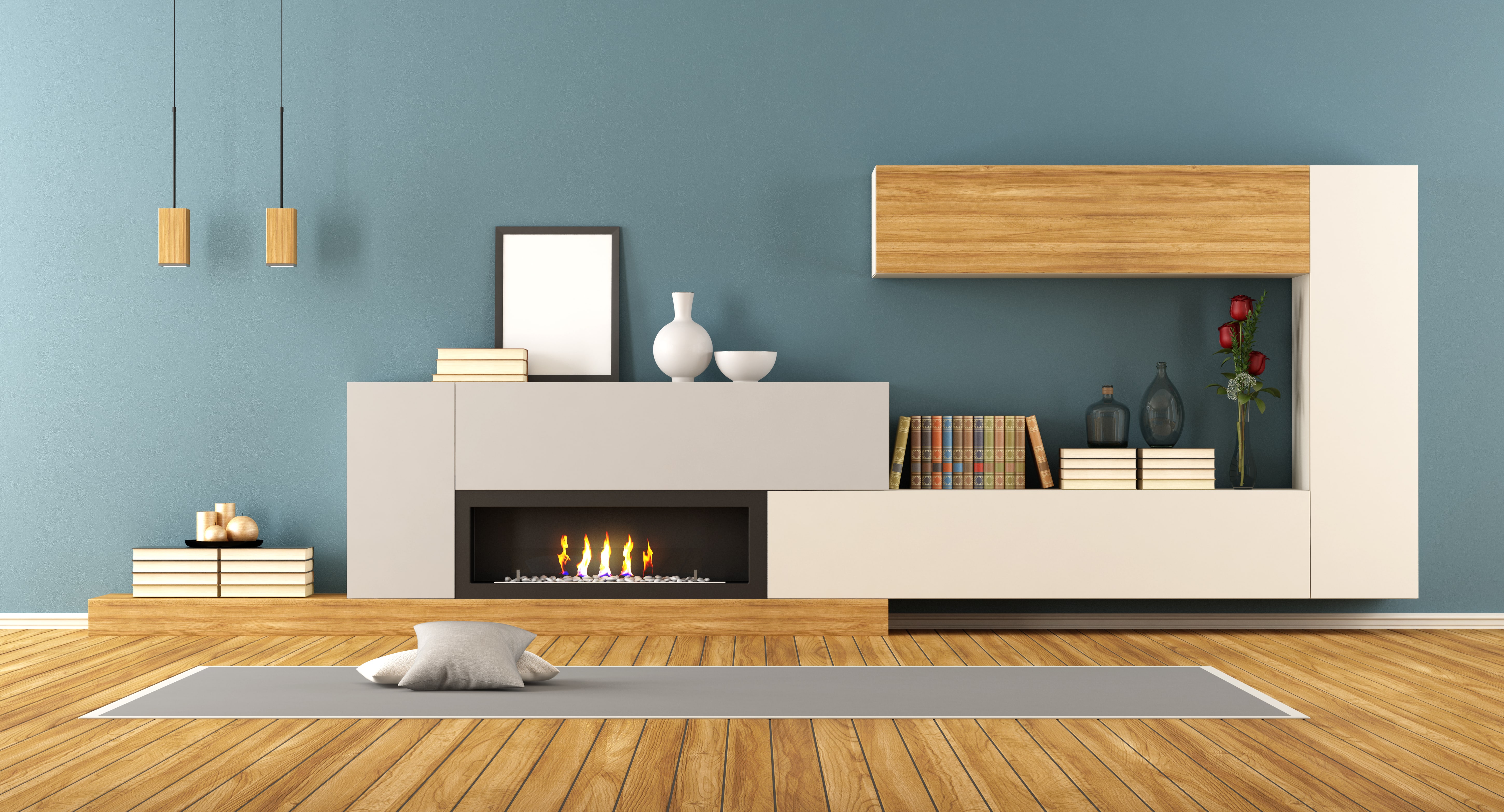
Be aware of the size and capacity of a wood stove before selecting one to ensure it can heat your home effectively. You'll have to determine the area you'd like to heat, and use guidelines from the manufacturer to determine the required BTUs for your home. You should also consider the amount of insulation and the layout of your house and the climate you live in.
Wood stoves can be found in different styles and designs, so you're sure to find one that complements your decor. Modern stoves have a modern, sleek style that can enhance the appearance of your living area and still provide warmth. There are stoves available that meet the standards set by the EPA for emissions. They're identified with a label indicating which emission standards they meet. It is essential to buy an EPA-certified stove in order to lower the amount of emissions you produce and to prevent harmful air pollution.
Easy Maintenance
Wood stoves are a natural and efficient method of heating your home. To ensure they are in good working order, they require some maintenance. You will need to invest time and effort into sourcing splitting, stacking and transporting the wood that you will use to heat your stove, as well as cleaning and maintaining the appliance itself and its chimney. Some homeowners might find these extra tasks daunting. There are ways to reduce the amount of maintenance needed for your wood burning stove to ensure it lasts longer and functions better.
The first step to ensuring effective maintenance is to establish an ongoing cleaning routine. In the winter months the time when your stove is constantly in use, you should clean it at least every two weeks or once a month. Begin by vacuuming all exterior surfaces of your stove with a soft-bristle attachment. Make sure you reach all crevices, joints seams, and air intakes. Be careful when cleaning the parts that are sensitive to heat from the stove. Next, you must wipe down all exterior surfaces with a non-toxic, non-chemical cleaner - the same kind that came with your stove.
In the end, you must empty the ash pan, and then sift regularly. Spraying the top layer of ash with water may help to make this job less messy. You may have to remove all the ash from your stove at times to inspect the bricks or ensure that the bottom of your firebox is clean. The ash pan and tray could cause your wood stove to overheat if they are full.
You'll also need to check the gasket and the glass regularly especially after a few fires. A bad seal can affect the process of combustion and can result in gas leaks into the living space. A tarred glass on your stove can be a sign that wood isn't being burned properly. This is typically caused by a draft that isn't strong enough or a wrong lighting of your fire.
You should also hire a professional to clean your chimney two times every year to prevent the buildup of creosote and other hazardous deposits. Keep combustibles away from your wood heater as they may be ignited if placed too close.